In touch |
Check-in |
Intercessions |
| In touch begins immediately below |
Scroll down or click for Check-in |
Subscribers only: see intercessions |
In touch
Up-to-the-minute jumping-off points for sermons, linking the reading to the latest news and global issues
Acting shrewdly with money
The parable of the dishonest manager raises disturbing questions (Luke 16.1-8).
Context
We are facing a cost-of-living crisis. The combination of Covid, Russia’s war on Ukraine, and extreme weather events has led to escalating prices. One of Liz Truss’ first actions as Prime Minister was to announce a far-reaching energy plan. But there is scepticism over whether it will help those most in need. Many will still face agonising decisions this winter over whether to eat or keep warm. Not enough will be coming in to pay the bills, and most people are ‘ashamed to beg’ (Luke 16:3), or resort to foodbanks. Three short videos from the Joseph Rowntree Foundation illustrate the dilemmas faced by parents trying to get by on low incomes. And Church Action of Poverty has filmed young people talking about their experience of food poverty, including their embarrassment over receiving free school meals.
Ideas for sermons or interactive talks
This week’s Gospel reading ends with the seemingly straightforward statement ‘You cannot serve God and wealth’ (Luke 16.13). The preceding parable and sayings, however, are anything but straightforward. We start with an outrageous, puzzling story, which Christians (starting with Luke?) have long struggled to make sense of. It comes as a shock that the master, and by implication Jesus, commends his sacked manager for falsifying bills to rescue himself from poverty. The master recognises the manager’s shrewdness and ingenuity, even though they are used dishonestly. Luke follows the parable with sayings on the theme of wealth. The first suggestion is that the ‘children of light’ need to learn shrewdness from the ‘children of this age’. It is no good being naive. Disciples need to be streetwise. This is reminiscent of the saying in Matthew 10.16: ‘be wise as serpents and innocent as doves’. The second suggestion is that wealth should be used to make friends with those who will carry weight in eternity. Does this perhaps mean giving alms to the needy? Ingratiate yourself with the poor, for theirs is the kingdom of God (Luke 6.20). The third suggestion is that faithfulness in money matters is a preparation for greater things. Life in this world is training for life in the next.
A statement about the incompatibility between God and wealth does little to help those struggling with the cost of living. The parable seems more realistic about the difficult dilemmas involved in trying to survive. What is the shrewd thing to do in the current crisis? – as individuals, as churches, as a nation? Some have concluded that drastic action is needed, hence the strikes by railway workers, postal workers, refuse workers, barristers … And the call for mass non-payment of energy bills. One theme in the reading is that of making friends. We need each other, we need community, we need common action, more than ever. In a message to churches, Trussell Trust points out that it is those who have the least in our communities who are most affected by the decisions we make as a society, over benefits, housing, employment. They call on Christians not only to have compassion for those who are struggling, but to seek justice and advocate for change.
Questions for discussion
- How might your church create community, in support of those struggling with the cost of living?
- How far should protest go? What do you think of the recent strikes? And of the refusal to pay energy bills?
Ann Conway-Jones teaches biblical studies and early Jewish-Christian relations, including for Sarum College and the Oxford University Department for Continuing Education.
Check-in
Connecting faith with everyday, real-life issues for young people
‘Family does not necessarily mean blood relatives but often a description of a community, organisation or nation.’ Queen Elizabeth II
In recent days, our country, and indeed the world, has been struck by the news of the passing of Queen Elizabeth II. During her coronation in 1953, Elizabeth promised to serve her country and God until her dying day, and indeed she did just that.
In the passage this week Jesus explains how, if we can be trusted with small things, we can be trusted with larger things. Our late Queen has been an exemplary leader – having been entrusted with plentiful resources, she used them faithfully to help build up communities, support charities and serve others.
Although we may not have the wealth of the British royal family, how can we show that we can faithfully use the things that we have been given? The Queen was generous in her charitable giving, but perhaps the biggest impact she had on the smaller communities was her giving of time too. Is this something which you could explore - how to use the time given to us to glorify God?
This week why not challenge yourself to explore further the work the Queen undertook whilst being trusted with her role as Britain's head of state? Is there anything which inspires you to imitate her actions so you can build up and look after your own community too?
Natasia Bullock is Company director of Christian theatre company The B Tales
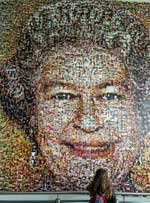 |
Resources and ideas for use in acts of worship, commemorations and other events in remembrance of Her Majesty, Queen Elizabeth II |
Hypertext links to other websites are for the convenience of users only and do not constitute any endorsement or authorisation by ROOTS for Churches Ltd.
The week in focus is also available via Twitter and facebook.
ROOTS publishes weekly lectionary-based worship and learning resources online and in two magazines. FIND OUT MORE.